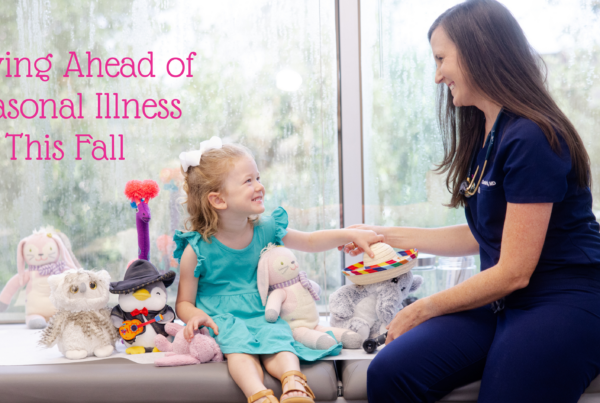



The arrival of fall festivities and particularly Halloween is an exciting time for kids and families, but it’s also when colds, flu, and RSV begin making their rounds. It can be hard to know whether your child’s cough, congestion, or fever is something to manage at home or a reason to call the pediatrician. At PurePediatrics, we’re here to help you know what to watch for and when to reach out.
5 Things Parents Should Know About RSV, Flu and Colds
1. Know the Common Signs of a Cold
The common cold is usually mild and tends to improve on its own. Symptoms can include a runny or stuffy nose, sneezing, sore throat, or a mild cough. A few things to keep in mind:
- Watch for symptoms that gradually improve over several days.
- Encourage plenty of fluids and rest.
- Keep an eye on symptoms that worsen.
2. Recognize Signs of the Flu
Flu can come on more suddenly and often causes more intense symptoms than a typical cold. Children may develop fever, chills, body aches, headache, cough and significant fatigue. If you suspect the flu:
- Watch for a sudden fever or noticeable change in energy.
- Encourage fluids and plenty of rest.
- Ask your pediatrician whether antiviral treatment may be appropriate, especially if your child is at higher risk for complications.
- Talk with your provider about annual flu vaccination as an important layer of protection.
3. Understand RSV and What to Watch For
RSV is a common respiratory virus that can cause cold-like symptoms in older children and adults, but it can sometimes lead to more serious breathing problems in infants and young children. Parents should watch for:
- Fast or difficult breathing.
- Wheezing or persistent coughing.
- Trouble eating or drinking because of congestion or breathing difficulty.
- Unusual sleepiness, weakness or decreased activity.
- A note for families with infants: Babies can sometimes show less typical symptoms, so changes in feeding, breathing, or behavior are worth discussing with your pediatrician.
4. Know When Your Child Should Stay Home
Halloween parties, school celebrations, and trick-or-treating mean lots of close contact with other children. If your child is sick, keeping them home can help protect classmates, friends, neighbors and family members. Consider keeping kids home when they show signs of:
- A fever or not feeling well enough to participate normally.
- Significant coughing, fatigue or other symptoms that worsen.
- Symptoms that could easily spread to others.
If you’re unsure whether your child is ready to return to school or activities, reach out to your pediatrician for guidance.
5. Know When to Call Your Pediatrician
Most childhood respiratory illnesses can be managed with rest, fluids and time, but some symptoms deserve prompt medical attention. Call our office if:
- Your child’s symptoms are getting worse or are not improving.
- A fever persists or returns after improving.
- Your child is having difficulty breathing, drinking or staying hydrated.
- You notice unusual sleepiness, weakness or a significant change in behavior.
- For infants and children with chronic health conditions, reach out sooner if you’re concerned about new or worsening symptoms.
When to Reach Out
RSV, flu, and colds can look similar at first, and it’s not always possible to know which virus is responsible based on symptoms alone. The goal isn’t to diagnose every cough at home; it’s to know what your child is experiencing, recognize warning signs and know when to reach out for guidance.
A little preparation can go a long way this fall. Keep tissues and hand sanitizer nearby, encourage good handwashing, stay up-to-date on recommended vaccines, and trust your instincts when your child doesn’t seem like themselves.
Happy Halloween!
To every family dressing up, carving pumpkins, and enjoying Halloween traditions: we wish you a fun, safe and healthy Halloween season. And remember, when respiratory illnesses make an appearance, PurePediatrics is here to help you know what to watch for and when to reach out.
Helpful Resources
- HealthyChildren.org: AAP guidance on flu prevention and seasonal illness.
- CDC – Essentials for Parenting: Tools for routines and healthy habits.
- Harvard Center on the Developing Child: Research on stress and resilience.